VIP
Neuropeptide / Immunomodulatory Peptide
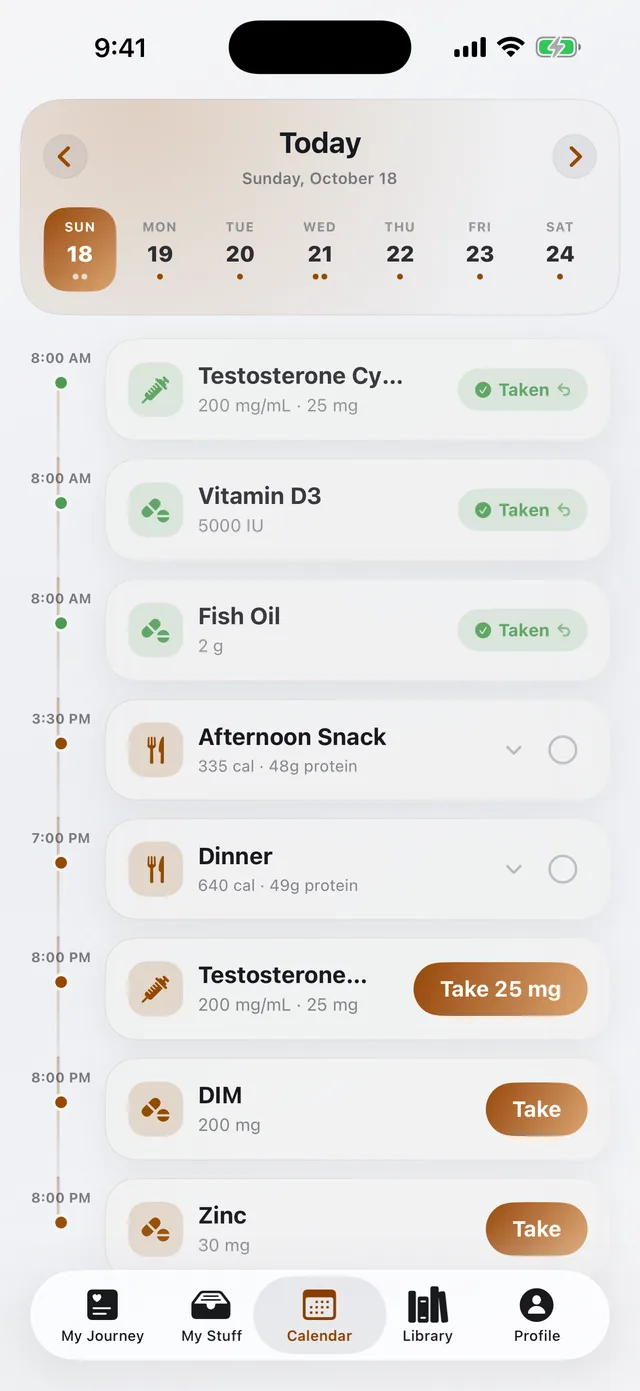
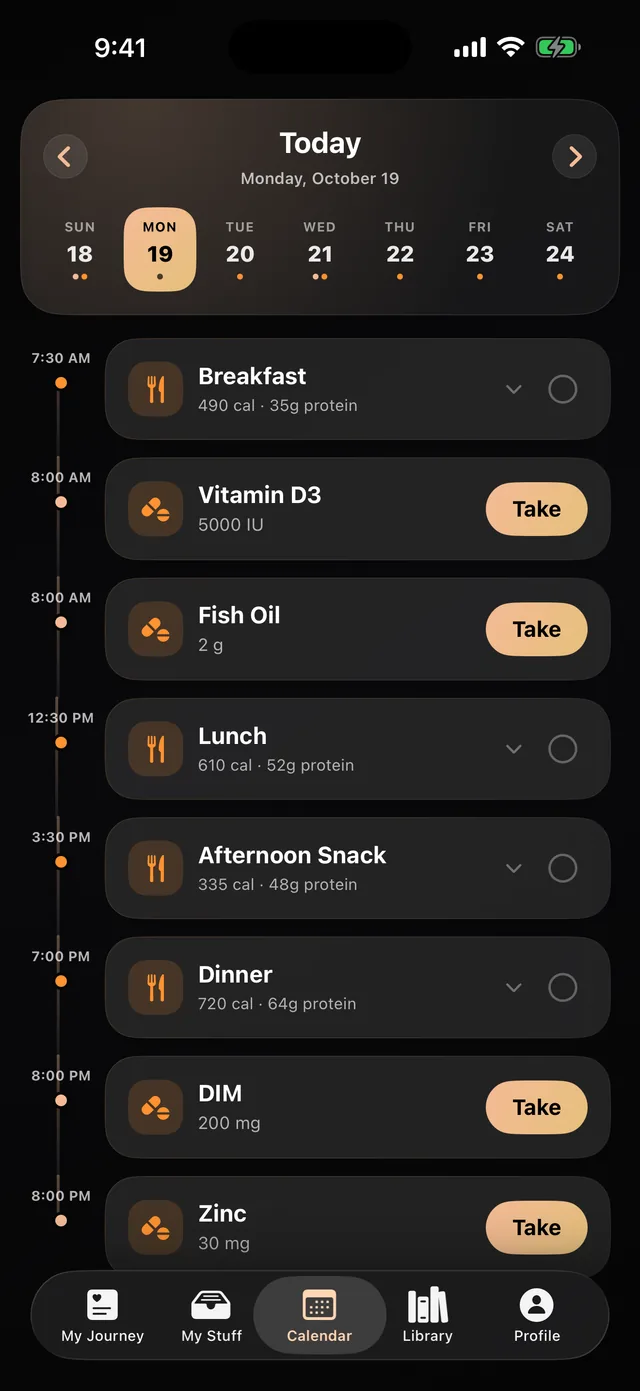
VIP (Vasoactive Intestinal Peptide) is a 28–amino acid neuropeptide widely distributed in the CNS, lungs, and gut. My TRT App lets you log VIP as a compound alongside your protocol. Most compounds on these pages are research chemicals, not FDA-approved medications, so talk to a clinician before using any of them.
What it is
VIP (Vasoactive Intestinal Peptide) is a 28–amino acid neuropeptide widely distributed in the CNS, lungs, and gut. It exerts potent vasodilatory, bronchodilatory, and immunomodulatory effects and is studied for roles in airway tone, mucosal protection, and neuroimmune signaling.
Research on airway diseases (bronchodilation, mucus regulation), gastrointestinal motility/secretions and barrier function, neuroprotection, and immune modulation (anti-inflammatory, Th2/Treg bias).
At a glance
| Type | Neuropeptide / Immunomodulatory Peptide |
|---|---|
| Category | Peptide |
| Half-life | Very short in plasma (~1–2 minutes); effects may be prolonged with localized delivery or protected formulations. |
| Delivery | Intranasal spray or nebulized/inhaled routes for airway studies; subcutaneous or intravenous bolus/infusion in systemic physiology models. |
Mechanism
Binds VPAC1/VPAC2 (class B GPCRs) to activate Gs→adenylate cyclase→cAMP/PKA signaling, relaxing smooth muscle, enhancing epithelial secretion, and modulating cytokines; rapidly degraded by peptidases (e.g., DPP-IV, neutral endopeptidase).
What it has been studied for
- Bronchodilation and airway smooth-muscle relaxation
- Vasodilation and improved microcirculatory flow
- Reduced pro-inflammatory cytokine signaling
- Support for epithelial barrier integrity and mucus regulation
- Neuroprotective/neuromodulatory effects in CNS models
Reported in research or user reports. Not a promise of results; human evidence is often limited.
Reported side effects
- Flushing and warmth
- Headache or lightheadedness
- Transient hypotension or tachycardia (dose-dependent)
- Nasal/throat irritation with intranasal or inhaled use
- GI cramping or diarrhea in sensitive subjects
Often listed with
Research notes
Owing to rapid enzymatic degradation, protocols often explore stabilized analogs (e.g., aviptadil) or delivery vehicles to extend residence time. Outcomes typically track spirometry/airway responsiveness, hemodynamics, cytokine panels, and epithelial barrier metrics.
Related compounds
Know what you are logging.
If you and your clinician decide to use VIP, log each dose in My TRT App so the record is there when you review how it went.
Readers who source research peptides sometimes ask where. VishChems is an affiliate partner: code FOREVER25 gives you 25% off and we may earn a commission. My TRT App does not sell peptides.
Last reviewed 2026-06-04. Education only, not medical advice. Always talk to a qualified clinician.
Log it next to your protocol.
Add it as a compound, track every dose and see it on the same calendar as your TRT.